

On the M840T-powered McLaren 720S and 765LT, the factory turbo inlet design has a known weak point: the internal silencer, baffle, and glued coupler area can come loose. When that happens, the next stop is the compressor wheel.
The McLaren 720S and 765LT are already serious cars from the factory. The 4.0L twin-turbo M840T responds extremely well to airflow, tuning, exhaust, and fuel system changes, but the platform also has a few things that owners should deal with before they become expensive.
The factory turbo inlets are one of them.
From the outside, the stock inlet pipes do not look like something that could cause a major failure. They are just intake plumbing before the turbochargers. But inside the factory assembly, McLaren used sound-reduction pieces to keep the car quieter and more refined. That includes internal baffling, silencer material, and a coupler arrangement that sits directly in the turbo inlet path.
That is fine until the glue, plastic, or internal retention starts to give up.
The failure is not complicated — that is what makes it frustrating
The inlet lives in a hot engine bay. It sees vibration, vacuum, pressure changes, oil vapor, and repeated heat cycles. Over time, the factory internal pieces can loosen. On cars that are tuned or driven hard, the increased airflow demand can make the problem show up sooner.
Sometimes the car gives a warning. Owners may hear a new whistle, notice a change in spool sound, or feel the car down on power. Other times, the failure is only found once the inlet is removed or once the turbo has already been damaged.
The part that fails is not expensive compared to the rest of the car. The damage it can cause is the problem. A turbocharger compressor wheel is spinning at extremely high shaft speed. If a loose baffle, silencer, plastic piece, or coupler material gets ingested, it can chip the blades, bend the leading edges, damage the compressor housing, or throw the turbo assembly out of balance.
At that point, it is no longer an inlet pipe issue. It becomes a turbocharger repair.
Why 720S and 765LT owners should care even if the car is stock
A lot of people think about turbo inlets only after they start modifying the car. That is the wrong way to look at it on this platform.
On the 720S and 765LT, upgraded inlets are not just for power. They are one of the best preventive-maintenance upgrades you can do because they remove a known failure point before it has the chance to hurt the turbochargers.
A stock car benefits because the weak factory inlet design is removed. A tuned car benefits even more because the turbochargers are being asked to move more air, and the inlet path becomes more important.
The M840T is an incredible engine, but it is not cheap to repair. A simple inlet upgrade is a much easier conversation than replacing or rebuilding damaged turbochargers because a factory silencer came apart.
What the Spool Performance inlets fix
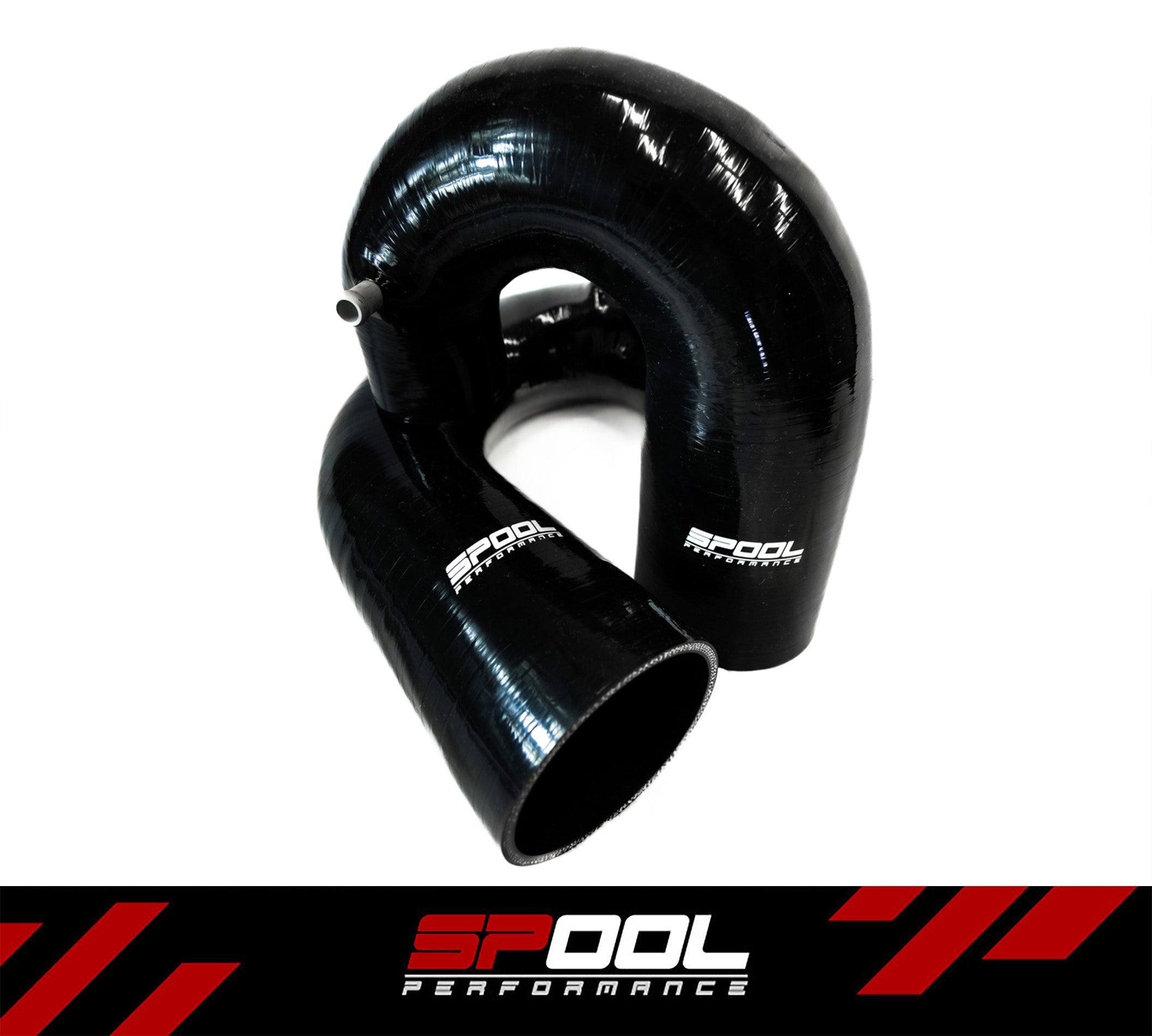
The Spool Performance McLaren 720S / 765LT upgraded turbocharger inlets were built around this exact issue. The goal was not to add another shiny part to the engine bay. The goal was to remove the factory inlet failure point, improve the airflow path, and give the car the turbo sound it should have had from the factory.

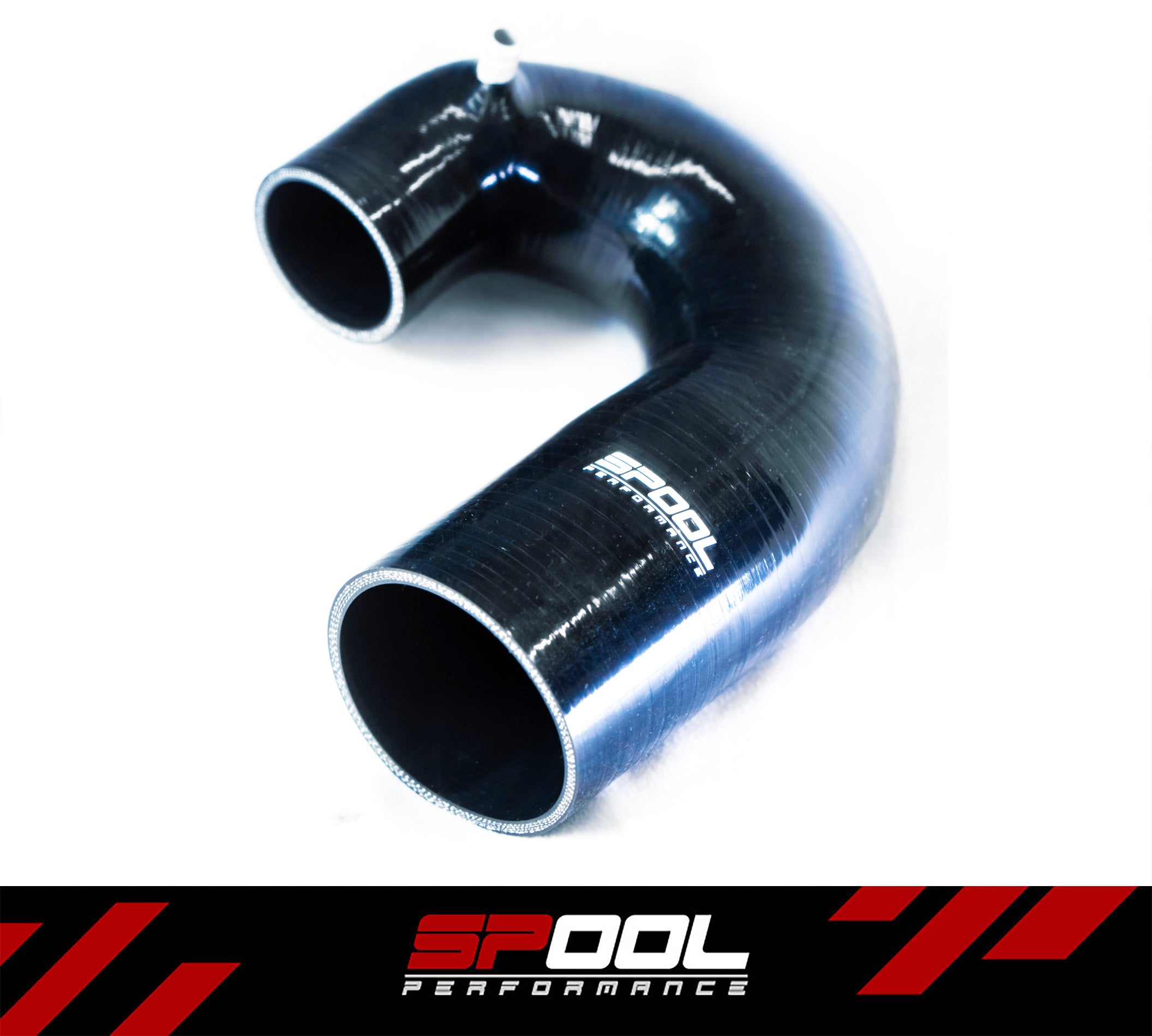
The factory inlet uses fragile plastic and internal sound-deadening pieces. The Spool inlet replaces that with a flexible 5-ply silicone design. There is no factory-style internal baffle waiting to break loose, and there is no problematic red coupler sitting inside the inlet tract.
The Spool design also uses steel wire reinforcement to help prevent collapse under vacuum and high airflow demand. That matters on a car where the turbos can move a serious amount of air, especially once the car is tuned.
Why this is one of the best first mods for a 720S or 765LT
The Spool Performance upgraded inlets check three boxes at once: reliability, sound, and airflow.
- Removes the factory internal baffle / silencer failure point
- Helps prevent loose inlet material from entering the turbocharger
- Increases turbo spool and induction sound
- Improves airflow into the compressor inlet
- 5-ply silicone construction avoids the heat-soak concerns of metal inlet pipes
- Steel wire reinforcement helps prevent hose collapse
- 100% bolt-on and designed for factory-style fitment
The sound difference is a bonus
The reliability side is the main reason to do the upgrade, but the sound is what owners usually notice first.
McLaren muted a lot of the induction noise from the factory. Removing the restrictive, sound-deadening inlet design brings back more of the turbo character: more spool, more whistle, and more mechanical sound from behind the cabin. It makes the car feel more alive without needing to make the exhaust louder.
For owners who want the car to feel sharper and more aggressive while still keeping the car clean and streetable, inlets are a very high-value upgrade.
When should you replace them?
Ideally, before there is a problem.
If you just bought a 720S or 765LT, if the car is out of warranty, if it is tuned, or if you are planning downpipes, tuning, upgraded turbos, or fuel system changes, the factory inlets should be high on the list.
If the car already has a strange whistle, reduced boost response, an unexplained loss of power, or boost-related faults, the inlets should be inspected. If the factory inlet is removed and the internal piece is loose or missing, both turbocharger compressor wheels should be inspected before the car is driven hard again.
Install notes
During installation, replace both inlets and inspect the surrounding intake tract. This is also the right time to look closely at the compressor wheels. If anything from the factory inlet is missing, do not assume it disappeared harmlessly.
A clean install should include checking the inlet sealing surfaces, clamp placement, vacuum nipple connections, and any signs of debris near the compressor inlet. After installation, the car should be checked for leaks and normal boost response.
Final take
The factory McLaren 720S and 765LT turbo inlet issue is a classic example of a small part creating a large repair bill. The stock inlet was designed around packaging and noise reduction. The Spool inlet is designed around airflow, durability, sound, and removing the failure point completely.
If you own an M840T-powered McLaren, this is one of the easiest upgrades to justify. It makes the car sound better, helps the turbos breathe, and most importantly, prevents a known inlet failure from turning into an expensive turbocharger repair.
Protect the turbos before the stock inlets become a problem
The Spool Performance McLaren 720S / 765LT upgraded turbocharger inlets are a bolt-on upgrade built for owners who want more sound, better airflow, and peace of mind.
Shop Spool McLaren Turbo InletsImage and reference credits
- Spool Performance product images: Spool Performance McLaren 720S / 765LT Upgraded Turbocharger Inlets product page.
- Failure-reference thumbnail image: mclarenlife.com
- Additional public reference: Cannonball Garage McLaren Intake Inlet Pipes page discussing stock inlet silencer failure and turbo damage risk.

Leave a comment
Your email address will not be published.